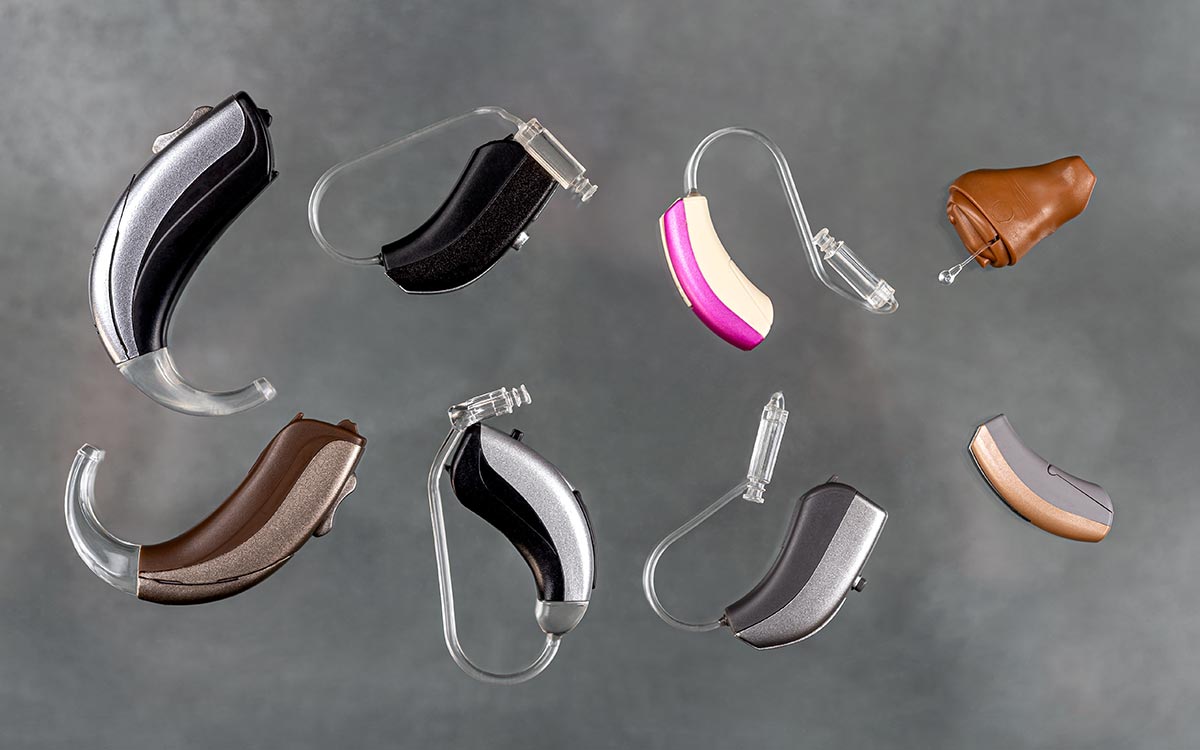
The sheer volume of hearing aid designs and technology levels on the market today can make the selection process feel complicated. Fortunately, there is a perfect hearing solution for every individual, regardless of their lifestyle or the severity of their hearing loss. The key is merely choosing the one that fits you best.
Feeling certain about your choice begins with knowing how different hearing aids function and compare. This guide explores the most popular styles and highlights the specific advantages each one offers.
The ITC (In-the-Canal) Style Explained
Basic Summary:
A custom device is designed to rest partially within the ear canal while showing just a small section in the outer ear area.
Common Benefits:
- Highly discreet than larger models
- Tailored to the specific contours of your ear
- Appropriate for mild to medium hearing loss
First-time wearers often gravitate toward ITC aids because they strike an ideal compromise between size and performance.
IIC (Invisible-in-Canal) Engineering
Core Traits:
These are the smallest custom-made units on the market today. They rest deeply inside the ear canal and are virtually invisible when worn.
Why they are favored:
- Highest degree of invisibility for the wearer
- Pure sound quality due to mic placement
- Featherweight and easy
Because of their tiny stature, IIC devices typically work best for mild to moderate hearing loss and for those who prefer a nearly invisible option.
ITE (In-the-Ear) Model Overview
What they represent:
An ITE hearing aid rests securely within the outer ear, available in both full-shell and half-shell configurations. Every unit is specifically customized to match your ear’s unique shape.
Value Proposition:
- Larger size allows for more capabilities and longer battery life
- Great for individuals who find smaller devices difficult to manipulate
- Effective for a wide range of hearing impairments, ranging from mild to severe
Users often select these units for their straightforward, single-piece construction that avoids any external wiring or tubing.
BTE (Behind-the-Ear) Essentials
Summary:
An external hearing aid is placed outside the ear for an optimal fit. Sound travels into the ear canal through an internal tube or custom earmold.
Key Advantages:
- Known for being exceptionally adaptable and robust
- Function for nearly all degrees of hearing loss
- Big enough to include sophisticated software and modern rechargeable technology
The combination of ease of use and powerful audio makes BTE aids a top contender for many patients.
Modern RIC Models
Design Specifications:
While they match BTE units, RIC aids place the speaker directly in the canal for improved sound delivery.
Market Interest:
- Known for creating some of the most authentic audio in the industry
- Users value the slim profile and comfortable fit for all-day use
- Great for many levels of hearing loss
The combination of design and high-end performance renders RIC models a top choice in the modern market.
Extended-Wear Device Facts
Introduction:
These unique devices are designed to stay in the ear canal for a month or more, managed by your hearing specialist.
Lifestyle Advantages:
- No daily insertion or removal
- Offers a 100% discreet solution for hearing health
- Engineered to be worn throughout everyday activities, including sleeping and exercising
These models are the best choice for an effortless, seamless hearing experience.
Connected Wireless Solutions
Digital Features:
Bluetooth-ready hearing aids allow for an electronic bridge between your hearing technology and your smart devices.
Why users select them:
- Allows for sharp phone calls and media streamed directly to the device
- Adjust settings via an app
- Enhances everyday life by making technology interaction seamless and clear
This wireless technology is found in many modern behind-the-ear and in-the-canal models.
Surgically Implanted Middle-Ear Solutions
Procedure Information:
This technology requires an operative procedure to place a device that mechanically stimulates the bones of the middle ear.
Who they are serving:
- Serves as a critical substitute for those who find no success with traditional amplification
- Great for users who suffer persistent irritation from standard molds
Middle-ear implants are typically recommended only after a full evaluation by a hearing specialist.
Choosing the Right Style for You
Since each hearing aid design has unique strengths, the best choice is based on your specific hearing needs, your daily activities, and your aesthetic goals. An audiology professional is your best resource for comparing these options and finding an ideal choice for your daily routine.
Start moving toward an environment of superior sound by arranging a consultation with a hearing specialist. It is the most significant move you can make toward an increasingly vibrant and confident life.
Sources:
https://www.mayoclinic.org/diseases-conditions/hearing-loss/in-depth/hearing-aids/art-
20044116
https://www.hearinglife.com/hearing-aids/types
https://www.nidcd.nih.gov/health/hearing-aids