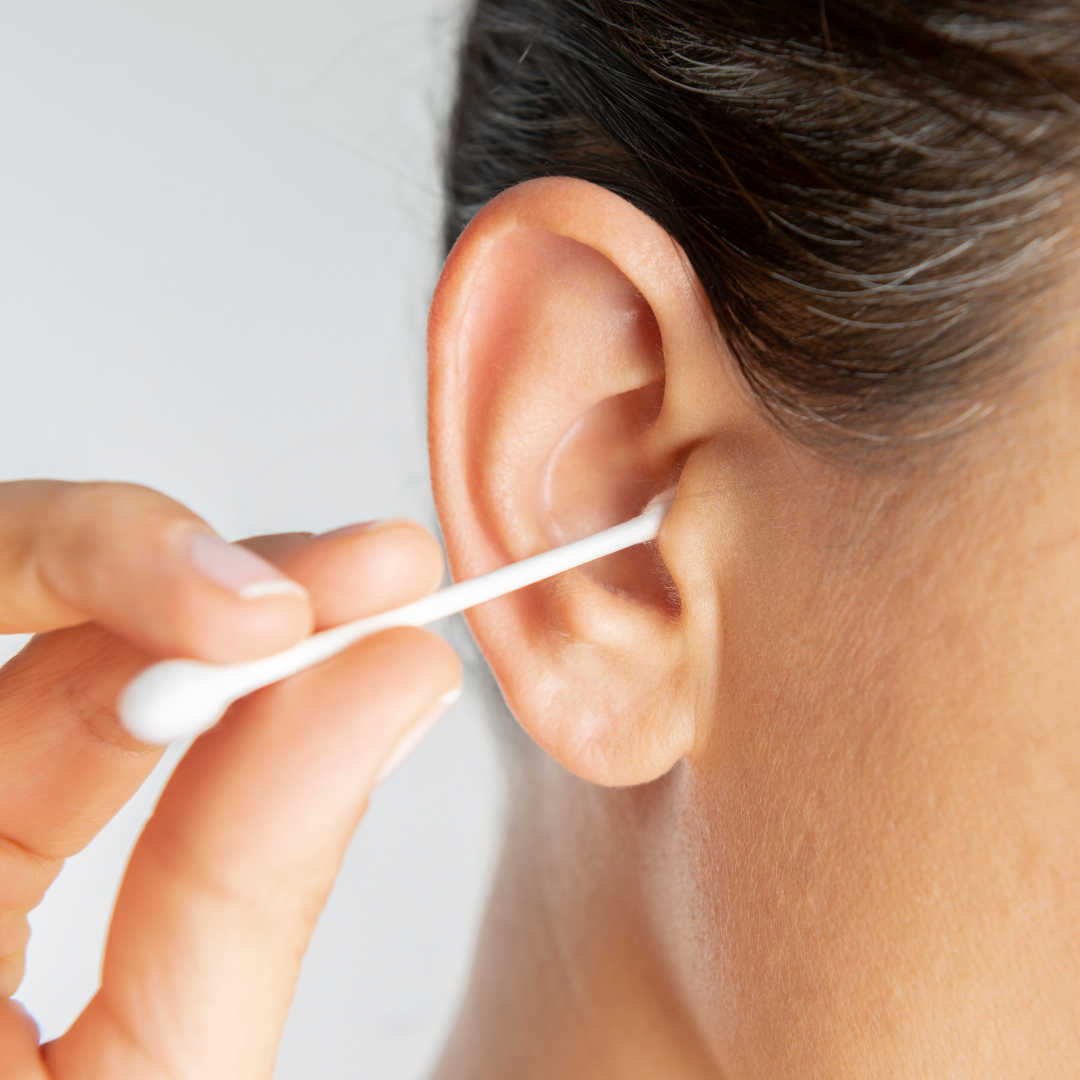
While cotton buds look like simple cleaning instruments, inserting them directly into your ear canal complicates hygiene and can injure sensitive structures. We perform thorough examinations to verify if earwax removal is necessary and select appropriate procedures for your ear condition. Ear canals typically maintain themselves without assistance; nonetheless, if stubborn buildup develops, we help individuals safely eliminate excess wax.
The Hidden Dangers of Cleaning Ears with Q-Tips
Human earwax, formally designated as cerumen, is a functional secretion rather than unwanted dirt. It functions to intercept foreign debris, suppress bacterial activity, lubricate internal tissues, and guard vulnerable ear canal skin. Standard jaw mechanics and lateral skin shedding propel oxidized wax toward the outer meatus, allowing it to dry and wash away during daily washing.
Inserting a cotton swab directly into the auditory canal interferes with this natural clearance mechanism. Even though the applicator collects minor residue, it typically drives the bulk of cerumen directly toward the delicate eardrum. Continuous swab usage packs loose secretions into a hardened mass, generating an occluded sensation that tempts patients into additional probing.
Swabs can be safely applied along the outer ear cartilage, but they should never be inserted past the canal aperture.
How Can Ears Get Damaged from Q-Tip Use?
The delicate dermal lining of the auditory canal is remarkably thin and susceptible to lacerations. Small abrasions can cause pain or bleeding and create an opening for bacteria, increasing the risk of an outer-ear infection. Furthermore, the cotton fibers may separate from the stick, leaving a foreign body lodged within the canal.
Swab-related clinical injuries include:
- Deep mechanical cerumen impaction
- Skin abrasions, tissue swelling, severe irritation, and active bleeding
- Localized microbial infection of the external canal
- Cotton swab fragments trapped inside the auditory canal
- Traumatic puncture or laceration of the eardrum
- Trauma inflicted on the ossicular chain behind the eardrum
- Transient hearing reduction or permanent sensorineural loss
- Ringing in the ears, balance disruption, or sharp ear pain
Although catastrophic damage remains relatively rare, unexpected arm bumps, hand slips, or excessive insertion depth easily cause acute harm.
Determining the Proper Frequency for Earwax Removal
Most healthy adults have no clinical need to extract earwax on a set timetable. Normal ears migrate cerumen toward the opening constantly, allowing routine bathing to cleanse the visible exterior. Overcleaning can dry or irritate the canal and may increase the likelihood of infection or impaction.
Intervention becomes necessary whenever wax creates an anatomical blockage, obstructs otoscopic examination, disrupts hearing aid operation, or causes aural distress.
Safe Protocols for Managing Cerumen at Home
In the absence of earwax symptoms, allowing natural physiological clearance is universally the safest strategy. Restrict hygiene to wiping the outer ear folds with a damp cloth while permitting the canal to self-evacuate.
If hardened wax requires softening, we can guide you toward over-the-counter cerumenolytics or drops featuring mineral oil, carbamide peroxide, glycerin, or saline. Ensure you use the exact recommended volume and follow the labeled duration instructions carefully. Cease use at once if you experience localized pain, acute vertigo, cutaneous rash, or intensifying discomfort.
Home flushing is contraindicated in many cases and should solely be conducted after an expert confirms safety and reviews proper methods. Never utilize motorized oral irrigators or dental water devices in the ear canal. Refrain from using ear candles, rigid metal picks, DIY camera probes, hairpins, or commercial home suction kits. Such unregulated implements can cause thermal burns, canal lacerations, eardrum perforations, or deeper cerumen impactions.
When to Seek Audiological Care for Cerumen Impaction
Make an appointment when the ear remains obstructed after using softening drops, wax is tightly packed, or home methods prove unsuccessful. Seeking professional care is essential if a patient cannot stay still, exhibits narrow canal anatomy, wears hearing aids, or possesses medical risks that rule out drops or flushing.
Schedule an ear exam promptly if you experience:
- Ear pain, persistent itching, or tenderness
- Visible blood, purulent discharge, clear fluid drainage, or offensive ear odors
- Systemic fever or noticeable swelling around the auricle
- The rapid emergence of tinnitus or episodic dizziness
- Hearing loss that develops suddenly or continues after wax removal
- A suspected perforated eardrum or retained cotton tip
- Persistent impactions interfering with hearing aid operation
Regard sudden unilateral hearing loss as a time-sensitive medical emergency instead of presuming it is earwax. Prompt testing can distinguish a blockage from a time-sensitive inner-ear problem.
Audiological Approaches to Excess Earwax Removal
We initiate the appointment by visualizing the canal through a diagnostic otoscope or microscope to verify wax presence and check for signs of infection, laceration, or eardrum tears. Determining the safest intervention hinges on cerumen density, specific canal contours, past surgical interventions, and the patient’s procedural comfort.
Standard clinical removal options include:
- In-office or pre-visit cerumen-softening drop applications
- Controlled ear flushing using warm, body-temperature water on intact eardrums
- Gentle suction under direct visualization
- Manual removal with a loop, curette, or small forceps
Direct visualization allows the clinician to work around sensitive canal skin and stop if discomfort occurs. You may need more than one method for dry or tightly packed wax. Upon completing removal, the clinician performs a final inspection to confirm optimal canal and eardrum health. If post-cleaning symptoms such as fullness, tinnitus, unsteadiness, or hearing reduction persist, specialized testing can locate the primary cause.
Book a Professional Earwax Evaluation and Removal
If your ears feel blocked or your hearing has changed, schedule an evaluation with us instead of reaching for a Q-Tip. We begin your evaluation with an in-depth review of symptoms, surgical ear history, hearing aid maintenance, home cleaning attempts, and individual tendencies toward wax accumulation. Connect with our practice today to reserve an appointment for safe, professional earwax removal.