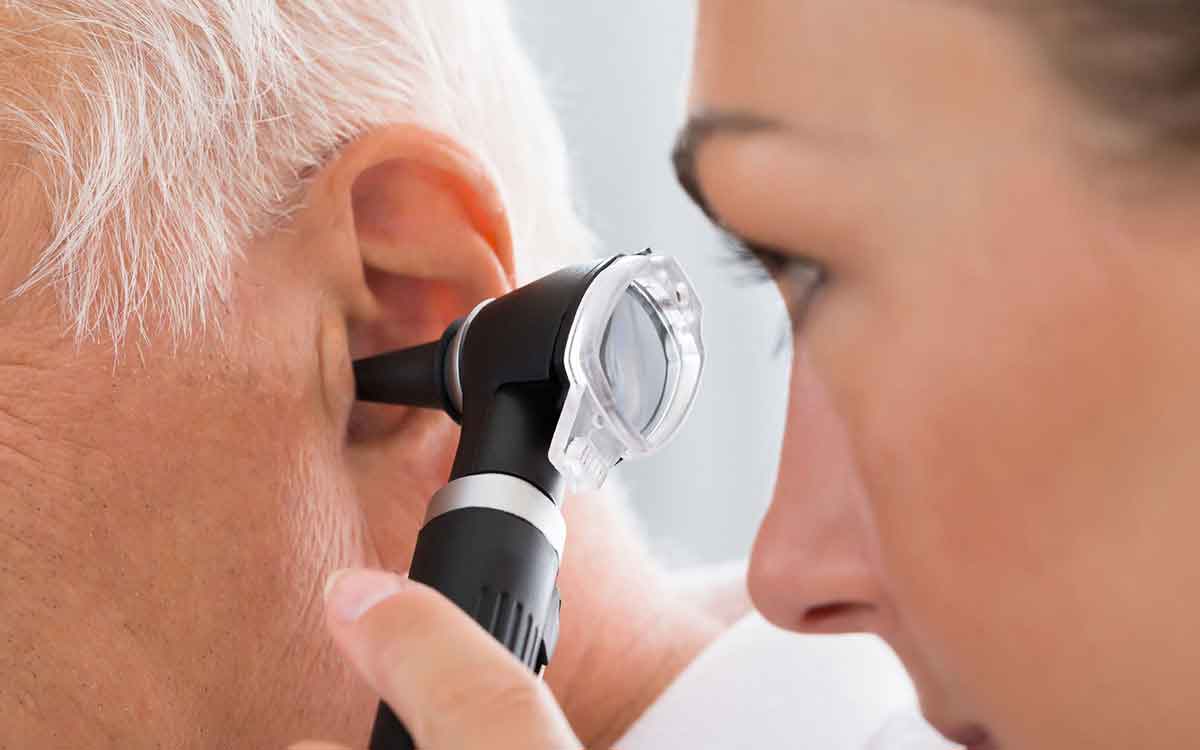
The gradual nature of hearing loss often causes early-stage indicators to be dismissed. It is common for people to adjust to hearing shifts by elevating device volume and steering clear of gatherings with significant background noise.
However, recognizing the preliminary signs of auditory impairment remains critical for effective intervention.
Common Symptoms of Early Hearing Loss
If you observe any of the listed clinical signs, it is advisable to undergo an audiological screening.
- Difficulty comprehending speech, particularly in loud areas with a lot of activity.
- Frequently requesting others to clarify their statements.
- Muffled or blurred vocalizations, making it difficult to distinguish specific sounds.
- Turning up the volume on the television and mobile devices higher than others prefer.
- Trouble perceiving high-frequency audio, including high-frequency vocalizations, birds, or electronic alerts.
- Auditory sensations such as ringing, buzzing, or humming, clinically termed tinnitus.
- Mental drain after social events resulting from persistent listening effort.
- Isolating from group interactions since following speech feels taxing.
These early signs of hearing loss may impact either ear and may come and go at first. Since the auditory cortex adapts to changes, compensatory behaviors often remain hidden until clinical hearing loss is evident.
Understanding Hearing Impairment Through Data
According to official WHO data, over 700 million people will necessitate hearing rehabilitation by 2050. Other significant statistics consist of:
- By 2050, nearly 2.5 billion people are projected to have various levels of hearing loss.
- More than five percent of the global community (roughly 430 million people) requires rehabilitation to manage significant hearing loss.
- In excess of 1 billion young adults face the threat of irreversible hearing loss due to unsafe listening practices.
- Among those over the age of sixty, more than one-quarter suffer from disabling hearing loss.
Why Timely Auditory Assessment Matters
Neglecting auditory shifts can have broader physiological impacts that are frequently overlooked.
Clinical evidence shows a clear association between ignored hearing loss and mental health risks, including isolation and depression.
Early intervention provides better long-term prognosis and diverse therapeutic options.
A professional assessment identifies if hearing shifts are the result of noise damage, earwax impaction, or different medical factors.
Occasionally, auditory changes are temporary and resolve with intervention.
Alternatively, timely adoption of hearing aid technology or preventative measures can slow progression.
Indications for a Professional Hearing Evaluation
Professional consultation is recommended if you experience:
- Auditory symptoms persist for more than several weeks.
- Auditory trouble starts to impact work or daily activities.
- Instances of sudden decline, dizziness, or persistent ringing warrant urgent clinical attention.
Assessments for hearing are comfortable and safe, yielding deep insights into your ear health.
Reach out to our specialists if you are interested in scheduling a baseline hearing evaluation.
Common Questions About Early-Stage Hearing Loss
Question: Is aging the sole cause of hearing impairment?
Answer: No. While common in seniors, hearing impairment can be caused by medications, loud noise, infections, or hereditary conditions.
Question: Are there cases where hearing loss is reversible?
Answer: Specific causes, including earwax blockage, may be susceptible to reversal through treatment. Other types are permanent but can often be effectively managed with treatment or hearing devices.
Question: What is the recommended frequency for hearing screenings?
Answer: Clinical guidelines suggest a baseline evaluation by the age of 50, or earlier if symptoms of hearing loss are noticed.