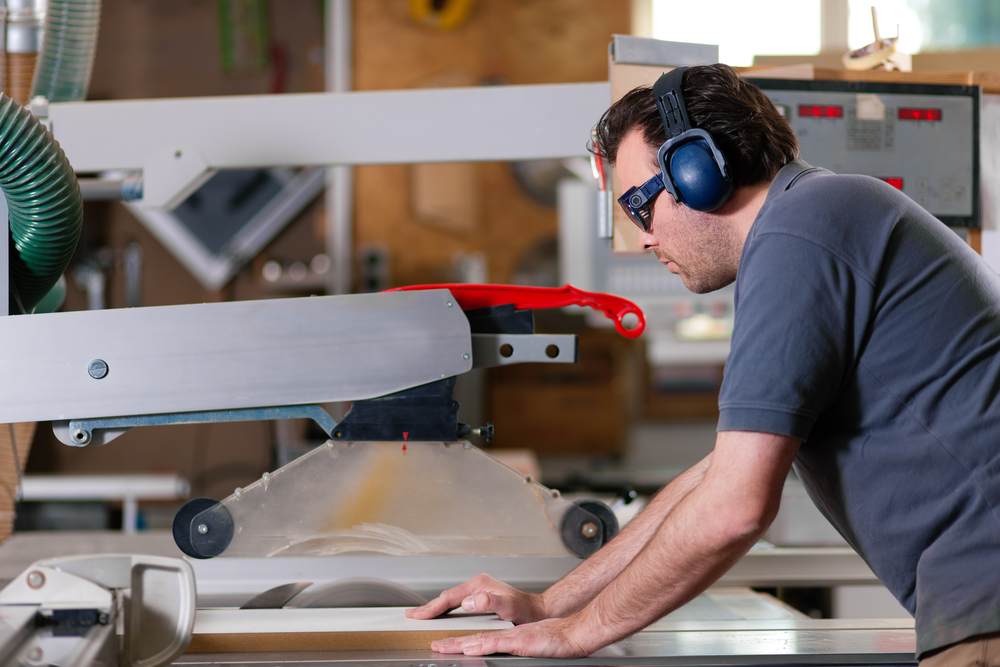
Prolonged exposure to sound can take a serious toll on your hearing health, particularly in settings where sound levels go above safe thresholds. Protecting your ears is crucial—not only for preventing hearing loss but also for keeping focus in noisy environments. Consequently, what steps should you implement to choose the ideal hearing protection level matched to your situation?
Gaining insight into sound intensity and its effects
When considering the impact of noise, the length of exposure is as critical as the sound’s intensity. The primary measurement for assessing noise levels is dB, a unit employed to express sound volume. Sounds at 85 dB and higher could cause hearing harm, especially when exposure is lengthy.
As a frame of reference, 85 dB is roughly the same loudness as the sound of city traffic heard from within a car. An eight-hour period of continuous exposure can start to harm your hearing, even if the sound level doesn’t seem too loud. The louder the sound, the shorter the safe exposure time:
- Exposure to 90 dB (the sound of a Lawnmower) for more than 4 hours could be damaging.
- 100 dB (Power tools): Limit exposure to 1 hour or less.
- 110 dB (Leaf blower): Just 15 minutes of exposure can cause damage.
- 120 dB (Rock concert): Any exposure at this level can damage your hearing.
- A sound level of 140 dB (Jet engine) can cause instant pain and damage.
How to detect unsafe noise environments
If you’re regularly exposed to noise levels of 85 dB or more, wearing hearing protection is necessary. The need for protection is amplified in work environments, including factories and construction, or in any location where machinery, gear, or tools create significant noise.
Even outside of the workplace, there are instances where hearing protection can be beneficial—attending concerts, using leaf blowers, or engaging in recreational shooting sports are all pursuits that can expose you to unsafe noise levels.
Choosing protection based on Noise Reduction Ratings (NRR)
We evaluate the efficacy of hearing protection through its Noise Reduction Rating (NRR). The rating shows the level of sound blockage, expressed in dB, that the protector provides. A more substantial reduction in sound is guaranteed by increased NRR ratings. To give a practical example, a 30 dB NRR on earplugs would drop an 85 dB noise down to 55 dB, which is a sound level well under the unsafe limit.
When finding hearing protection, assess the specific noise levels you’re exposed to and confirm your choice delivers enough blockage to stay below the 85 dB boundary.
The vital function of comfort in uninterrupted protection
While the NRR is a critical factor, comfort plays an equally significant role in securing continuous use. You might be likely to take off the protection if it is uncomfortable or awkward, thereby exposing your ears to hazardous sound.
Choosing well-fitting hearing protection leads to steady wear, thus lowering the danger that you will be exposed to noise intermittently. To demonstrate, bulky or ill-fitting earmuffs may be removed by the wearer periodically, exposing their ears to damaging sound levels.
A look at the different forms of hearing protection
A variety of hearing protection devices are on offer, all with their own set of advantages and disadvantages:
- Inside the ear canal, Foam Earplugs provide superb noise reduction. They are disposable and light, yet some individuals may find them uncomfortable.
- Resting right outside the ear canal, Pre-Molded Earplugs are reusable and thus a more eco-friendly choice. They are simpler to take out and put in than their foam counterparts.
- Earmuffs: Earmuffs cover the entire ear and are ideal for environments with fluctuating noise levels, as they’re easy to put on and take off. However, they may feel heavy or warm during extended use.
The optimal type of protection to select is dictated by your own comfort and the requirements of the setting you are in. For illustration, workers in construction may favor the convenience of earmuffs, while factory employees might choose earplugs for continuous wear.
Committing to constant hearing protection use
The most reliably effective hearing protection is the one you’ll wear without fail. Even a short period without protection can lead to permanent harm on your auditory health. For this reason, finding a solution that optimizes protection, comfort, and convenience is essential.
Ensure your future hearing health
While noise is always present in our daily lives, using the appropriate hearing protection enables you to shield your ears and continue to enjoy the sounds of the world.
Contact us now to discuss your chances of hearing loss from noise and the best ways to safeguard your hearing.