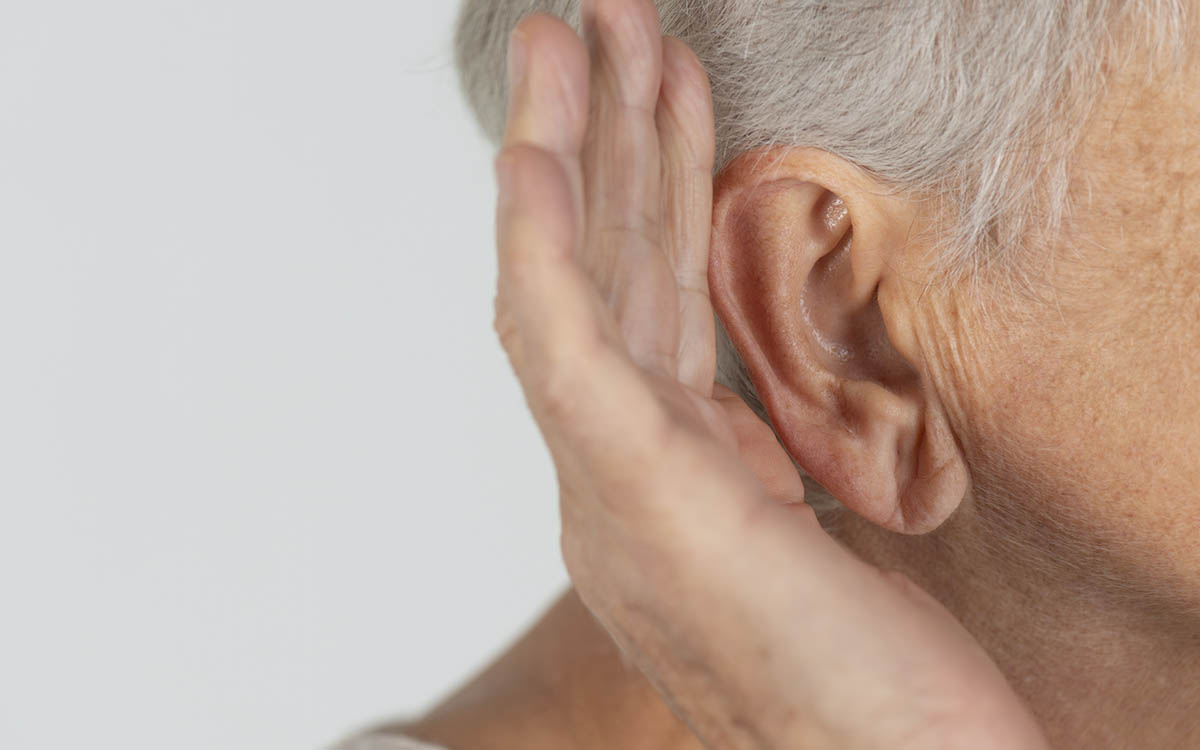
While many individuals correlate hearing loss with getting older, though for a significant portion of the population, hearing damage begins much sooner. Noise-induced hearing loss is one of the most common and preventable forms of damage to our hearing, remaining undetected until the damage is irreversible.
An objective understanding of noise-related auditory impact over time facilitates proactive protection prior to the onset of clinical hearing loss.
Understanding the Clinical Nature of Acoustic-Related Hearing Loss?
This form of hearing loss is precipitated by excessive acoustic energy damaging the fragile internal structures of the auditory system. Data from the CDC indicate that, sounds above 85 decibels (roughly the volume of heavy traffic) can begin to cause hearing damage with repeated or prolonged exposure. More intense acoustic stimuli, such as power equipment or firearms, are capable of inducing auditory trauma in a matter of minutes.
The internal auditory system houses delicate sensory units termed hair cells. These cells convert sound vibrations into electrical signals that your brain interprets as sound. The inability of hair cells to regenerate after trauma explains why noise-induced hearing loss results in a permanent auditory deficit.
How Auditory Trauma Advances Incrementally
One of the most concerning aspects of noise-induced hearing loss is that it often develops slowly. Initial clinical indicators of sound-induced trauma may involve:
- Short-term episodes of Tinnitus or buzzing within the ears
- Post-exposure auditory dullness or perceived muffling of sound
- Challenges involving speech comprehension within high-noise settings
These early warning signs may fade, leading people to assume their hearing has “recovered”. Despite the lack of symptoms, persistent noise exposure causes cumulative injury to the ear, leading to a progressive decline in hearing resolution.
Statistics from the HLAA suggest that 48 million Americans have some form of hearing loss, many unaware of the underlying cause.
Recognizing Routine Sound Hazards Impacting Hearing
We live in a noisy world, and it’s easy to become desensitized to loud sounds. Due to this, the commonality of injurious sound exposure often goes unrecognized.
Potential sources include:
- Venues featuring high-decibel live music
- High-volume output from personal listening equipment
- Gas-powered lawn tools, industrial machinery, and motorcycles
- Workplace noise in construction, manufacturing, or warehouses
Due to the routine nature of these sounds, auditory injury may accrue in the absence of overt symptoms.
The Reason Proactive Safeguards Are Clinically Essential
Noise-induced hearing loss is physiologically irreversible, unlike many other health impairments. Nevertheless, it remains a highly avoidable pathology. Risk reduction can be achieved through fundamental protective habits, including:
- Utilizing hearing protection devices like earplugs in noisy settings
- Limiting headphone decibels and implementing the 60/60 rule for safe listening
- Incorporating auditory rest periods to allow for physiological recovery
- Ensuring consistent Audiology check-ups for those in high-noise environments
Triggers for Expert Auditory Assessment
The presence of chronic Tinnitus, impaired speech recognition, or altered auditory clarity warrants a professional Audiology consultation. Timely professional assessment facilitates the creation of a management plan to maintain long-term auditory health.
Implementing protective measures today safeguards your auditory capacity for the years ahead. Noise may be unavoidable, but hearing loss doesn’t have to be!. Please contact our clinic to arrange a professional consultation regarding your auditory health.