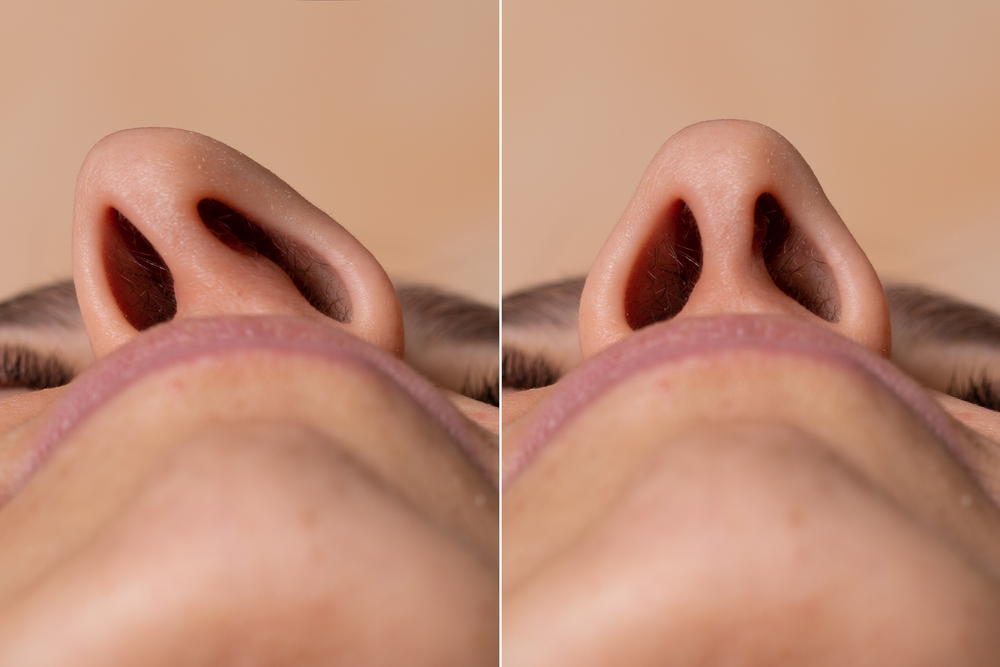
If it feels like one side of your nose never works quite as well as the other, you’re not alone. A deviated septum is a widespread issue that impacts respiration, rest, and general wellness, frequently going undiagnosed while causing persistent symptoms.
Grasping the symptoms of a deviated septum is the first step in choosing between basic symptom management and professional treatment.
Understanding the Anatomy of a Deviated Septum
The septum is a slender partition of cartilage and bone that divides your nasal passages. In an optimal setting, this wall is positioned directly in the middle of the nasal cavity. If this wall is shifted or misaligned, the condition is referred to as a deviated septum.
The origin of a deviated septum may be congenital, or it may develop because of a nasal injury later in life. While minor deviations often produce no noticeable issues, major shifts frequently obstruct nasal breathing.
Standard Indicators of a Deviated Septum
The presence of a nasal shift alters nasal airflow, resulting in a collection of signs that range from mild to intense.
Nasal Airflow Obstruction
Most patients report that breathing through either side of the nose feels restricted. Patients often experience:
- A perpetual sense of nasal fullness
- Uneven airflow favoring one side of the nose
- Symptoms that worsen during colds or allergies
Ongoing Nasal Fullness
Nasal fullness caused by a deviated septum is unique because it tends to:
- Persists year-round
- Remains unchanged even after using antihistamines
- Seems to be a physical blockage rather than simple swelling
Restricted Breathing During Sleep
A blockage in the nasal airway may result in:
- Snoring
- Resorting to breathing through the mouth during sleep
- Lowered quality of nighttime rest
In some cases, a nasal deviation may worsen sleep-related breathing issues.
Incidents of Chronic Nosebleeds
Uneven air distribution often leads to dryness and irritation in the more exposed nasal passage. This condition often elevates the risk for:
- A higher frequency of nosebleeds
- Crusting inside the nose
- Ongoing nasal pain or irritation
Deviated Septum vs. Allergies: What’s the Difference?
Because the two conditions share similar traits, many people mistake a structural issue for common allergies.
Symptoms of a deviated septum:
- Are frequently limited to one side of the nose
- Remain constant throughout every month
- Remain present despite taking allergy treatments
Symptoms Related to Allergies:
- Tend to affect both sides of the nose
- Often include bouts of sneezing and ocular irritation
- Generally find relief through allergy drugs
When these two issues coexist, they can create a compounding effect on nasal discomfort.
When to Address Your Deviated Septum
Professional medical advice should be pursued when:
- Nasal obstructions interfere with your daily life
- Rest and snoring issues start to impact your health
- You experience regular or chronic nosebleeds
- Standard treatments do not resolve your congestion
- Nasal symptoms start to affect your routine
Seeking clinical advice helps differentiate between structural blocks and inflammatory responses.
Improving Airflow with Septoplasty
Clinical septoplasty is the standard procedure designed to straighten the nasal partition and enhance airflow. Doctors recommend this surgery for patients whose symptoms do not improve with less invasive treatments.
Possible Results Of Septoplasty can include:
- Significantly enhance nasal airflow
- Clear away persistent nasal stuffiness
- Improve the sleep environment by stopping snoring
- Lower the frequency of nosebleeds
A specialist can help determine whether septoplasty is appropriate based on your symptoms, anatomy, and overall health.
Deviated Septum: Relief Starts With Understanding
While a deviated septum is quite prevalent, it is also highly manageable with the right care. The first move toward feeling better is understanding that a structural issue may be causing your sleep and breathing problems.
Our team is here to identify the source of your discomfort and provide solutions that restore your well-being. Call our specialists today if you are ready to address your deviated septum and reclaim your quality of life.